Source Acid Pickling Tank for Manufacturing, Food, and Chemical Plants
Compare 30 acid pickling tank options from verified suppliers. These units feature SUS304 or SUS316L construction, customizable capacities, and CE certifications for industrial applications in manufacturing and food processing; compare the available evidence and request quotations based on your requirements.
Key considerations
Products List


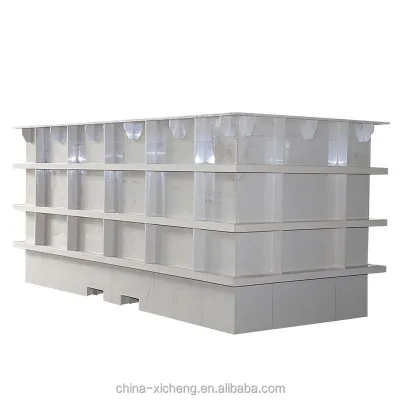
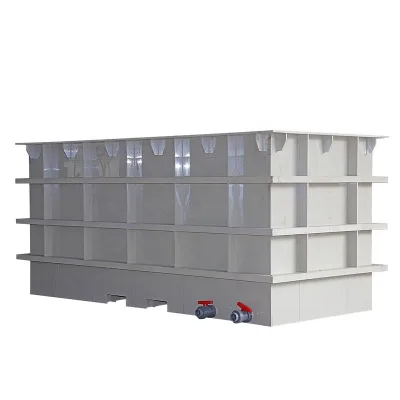
Plastic Dosing Tanks Pickling Tank Manufacturers Electroplating Tanks for Sale
$500.00 - $5000.00
Moq: 1


Comprehensive Sourcing Guide
Acid Pickling Tank Sourcing Guide
Procuring an acid pickling tank requires a rigorous evaluation of material compatibility and structural integrity, as these vessels handle highly corrosive chemical environments. Buyers must prioritize tanks constructed from specialized stainless steel grades, such as SUS304 or SUS316L, which offer essential resistance to acidic degradation. The selection process should begin with a clear definition of the chemical composition and concentration of the pickling solutions to be used, ensuring the chosen material grade can withstand long-term exposure without compromising safety or product quality.
Beyond material selection, the operational design of the tank plays a critical role in process efficiency and maintenance. Features such as integrated mixers and pump systems are often necessary to maintain uniform chemical distribution and temperature control during the pickling process. Buyers should verify that the tank’s internal geometry and agitation mechanisms are tailored to their specific production throughput requirements, minimizing dead zones where contaminants could accumulate and ensuring consistent treatment of the workpieces being processed.
Product Scope and Observed Listing Signals
Market listings for acid pickling tanks reveal a diverse range of configurations, including horizontal types and specialized units designed for specific industrial applications. Observed product models often indicate a high degree of customization, with suppliers offering tailored solutions to meet unique facility layouts and processing needs. The presence of terms like "customized" and "as required" suggests that buyers should expect to engage in detailed technical discussions to align the tank’s dimensions, capacity, and internal components with their exact operational parameters.
The observed price range for these industrial units is broad, reflecting variations in material thickness, capacity, and included auxiliary equipment. Listings indicate that wall thicknesses can vary significantly, with options such as 10mm or 18mm available depending on the required pressure rating and durability. Buyers should note that while some listings show a minimum order quantity of one unit, the final cost will be heavily influenced by the specific material grade, such as duplex or 904L steel, and the complexity of the custom engineering required for the installation.
Technical Specifications to Verify
When evaluating technical specifications, the wall thickness of the tank is a primary indicator of its durability and pressure resistance. Buyers must confirm whether the specified thickness, such as 10mm or 18mm, is adequate for the maximum working pressure of 10 MPa that the system may encounter. Thicker walls generally provide better resistance to corrosion penetration and mechanical stress, but they also impact the overall weight and footprint of the installation, requiring careful consideration of the facility’s structural support capabilities.
The material composition is another critical specification that must be verified against the specific acids used in the pickling process. While SUS304 and SUS316L are common choices, more aggressive environments may require superior alloys like duplex stainless steel or 904L. Buyers should request detailed material certificates to confirm the grade and ensure that the tank’s construction, including welds and joints, is compatible with the corrosive media to prevent premature failure and ensure a long service life.
Compliance and Safety Documentation
Compliance with international standards is essential for ensuring the safety and reliability of acid pickling tanks. Buyers should verify that the supplier holds relevant certifications, such as CE, RoHS, and ISO9001, which indicate adherence to quality management and environmental standards. These certifications provide assurance that the manufacturing process follows rigorous protocols, reducing the risk of defects and ensuring that the tank meets the necessary regulatory requirements for industrial use in various markets.
In addition to general certifications, specific safety documentation related to pressure vessel standards and chemical compatibility should be requested. Buyers must ensure that the tank design complies with local and international pressure equipment directives, particularly given the high working pressures involved. Documentation should also include detailed safety data sheets for the materials used and clear operational guidelines for handling corrosive substances, ensuring that the installation and operation of the tank do not pose risks to personnel or the environment.
Cost Drivers and Commercial Terms
The cost of an acid pickling tank is influenced by several key factors, including the choice of material, the complexity of the design, and the level of customization required. High-grade stainless steels like SUS316L or duplex alloys are more expensive than standard grades, and tanks with thicker walls or specialized internal components will also command higher prices. Buyers should obtain detailed quotes that break down these costs to understand the value proposition and avoid hidden fees associated with custom engineering or specialized packaging.
Commercial terms, including payment conditions and delivery timelines, should be clearly defined in the purchase agreement. Given the customized nature of many acid pickling tanks, lead times may vary significantly based on the complexity of the order and the supplier’s production schedule. Buyers should negotiate favorable terms that protect their interests, such as milestone payments tied to production progress and clear penalties for delays, while also considering the cost of specialized packaging, such as plywood or wooden cases, which may be required for safe transportation.
Supplier Qualification and Quality Control
Selecting a qualified supplier is crucial for ensuring the quality and reliability of the acid pickling tank. Buyers should conduct thorough due diligence on potential suppliers, verifying their manufacturing capabilities, quality control processes, and track record in the industry. Suppliers with ISO9001 certification and a history of producing similar industrial equipment are more likely to deliver products that meet strict technical and safety standards, reducing the risk of defects and operational issues.
Quality control measures should be implemented throughout the manufacturing process to ensure that the tank meets all specified requirements. Buyers should request detailed inspection reports, including material test certificates, weld inspection records, and pressure test results, to verify the integrity of the tank. Additionally, considering third-party inspection services before shipment can provide an independent verification of the product’s quality, ensuring that it conforms to the agreed-upon specifications and is ready for safe and efficient operation in the buyer’s facility.
Long-Term Procurement Checks
Long-term procurement success depends on establishing a strong relationship with the supplier and ensuring ongoing support for the acid pickling tank. Buyers should verify the availability of spare parts and technical support services, as these are essential for maintaining the tank’s performance and extending its service life. A reliable supplier should offer comprehensive after-sales support, including troubleshooting assistance and maintenance guidelines, to help the buyer manage the tank effectively over time.
Regular maintenance and inspection of the tank are also critical for long-term reliability. Buyers should develop a maintenance schedule that includes routine checks of the tank’s structural integrity, corrosion resistance, and the functionality of integrated components like mixers and pumps. By proactively addressing potential issues and adhering to recommended maintenance practices, buyers can minimize downtime and ensure that the acid pickling tank continues to operate efficiently and safely throughout its operational lifespan.
FAQs
What materials are used for acid pickling tanks?
Acid pickling tanks are typically constructed from SUS304 or SUS316L stainless steel. These materials provide essential corrosion resistance for industrial applications. Some variants also utilize duplex steel or 904L for enhanced durability. The choice depends on the specific chemical environment and required lifespan of the equipment in manufacturing settings.
Can acid pickling tanks be customized for specific capacities?
Yes, acid pickling tanks offer fully customizable capacity options. Available volumes range from 100 to 30,000 liters to suit various production scales. Buyers can specify exact dimensions and internal configurations. This flexibility ensures the tank integrates seamlessly into existing factory layouts and meets precise operational throughput requirements.
Which certifications are standard for these industrial tanks?
Standard certifications include CE, RoHS, and ISO9001. These validate compliance with international safety and quality management standards. Some suppliers also provide SGS certification for additional verification. Buyers should request specific documentation to ensure the equipment meets regulatory requirements for their target market and industry sector.
How is the wall thickness determined for these tanks?
Wall thickness varies based on design specifications, with common options including 10mm and 18mm. Thicker walls support higher working pressures, up to 10 MPa. The selection depends on the tank's intended pressure rating and the corrosive nature of the acids used. Custom engineering ensures structural integrity under specific operational loads.
What packaging methods are used for shipping these tanks?
Tanks are typically packed in plywood cases or wooden crates. Packaging is often customized according to customer requirements to ensure safe transit. Robust protection prevents damage during international shipping. Buyers can specify packing preferences to align with their logistics infrastructure and handling capabilities at the destination port.
Are these tanks suitable for food and beverage industries?
Yes, these tanks are applicable for food and beverage factories. The use of high-grade stainless steel like SUS316L ensures hygiene and corrosion resistance. They meet industrial standards for processing environments. Buyers in this sector can utilize these units for storage or processing tasks requiring strict material safety and cleanliness protocols.